
About Us

Meet the Organizing Committee.

Rachel Erstad (she/her)

Labor Studies

Before coming to UW to work at the Harry Bridges Center for Labor Studies, I worked as a Researcher and Organizer at a labor union. I supported healthcare workers in forming their unions and making the changes they needed at work. I was also in a Staff Union and saw the importance of ALL workers being unionized, and having the ability to come together collectively for raises that recruit and retain, staffing that makes sense, and equitable treatment. I am excited to come together with my fellow Research Coordinators and Research Consultants to have the best workplace possible at UW!
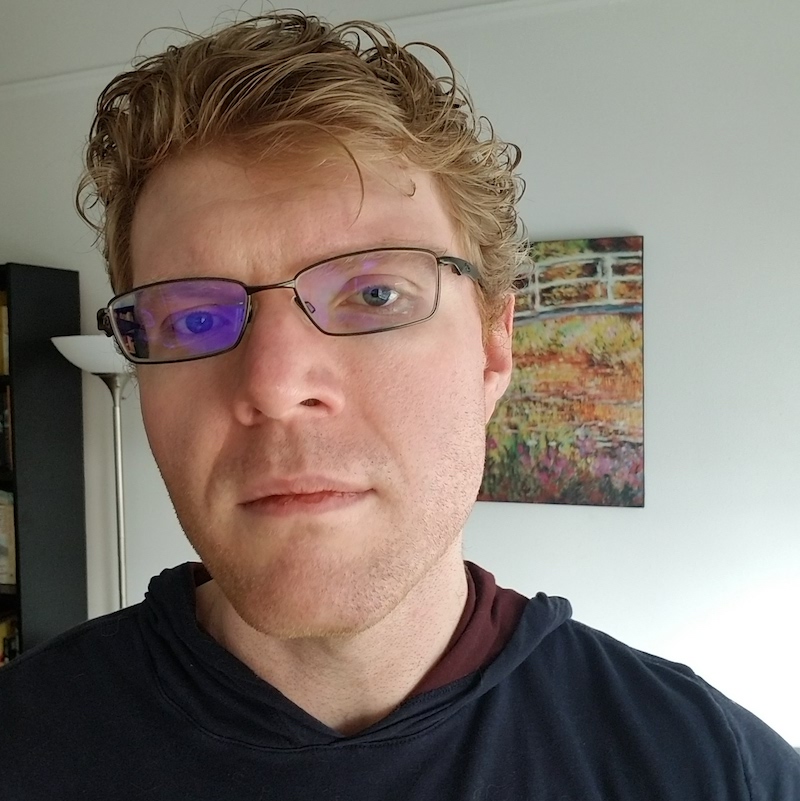
Jared Bechtel (he/him)

Division of Population Health, Department of Psychiatry & Behavioral Science

I research how to implement treatments for complex mental health disorders in pragmatic, primary care settings. There is so much amazing research being done and we need ways to better advocate to accomplish our goals in an equitable and safe manner. That is why I support unionizing researchers. The university has a seat at the table. Why not us?

Casper Johnson Blanchard (they/them)

Allergy and Infectious Disease

Due to our varied projects and departments, it can be easy to feel siloed from other research coordinators. Besides the important reasons of higher pay and better benefits, I also hope to develop a sense of community with other researchers at University of Washington. I know there are resources we all have individual knowledge and access to that other teams are completely unaware of, and by fostering a community I believe we can improve the quality and impact of work we are doing, while also ensuring fair and equal treatment across departments.

Karen Segar (she/her)

UW Medicine and School of Social Work

I have two decades of experience in research consultant and research coordinator positions at UW contributing to studies in public health and the social sciences. I have also held union jobs in other organizations, and I support unionization at UW because I have seen first hand how unions stand up for their members under challenging circumstances (like the Great Recession) and I know that research shows unionized workers are better compensated than their non-unionized peers.
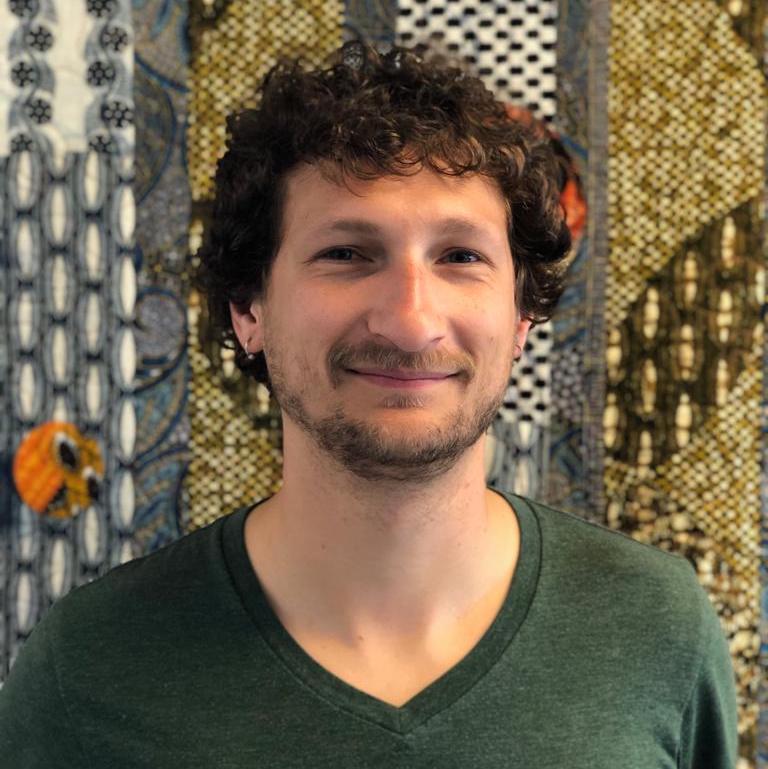
Sean Galagan

Global WACh, Department of Global Health
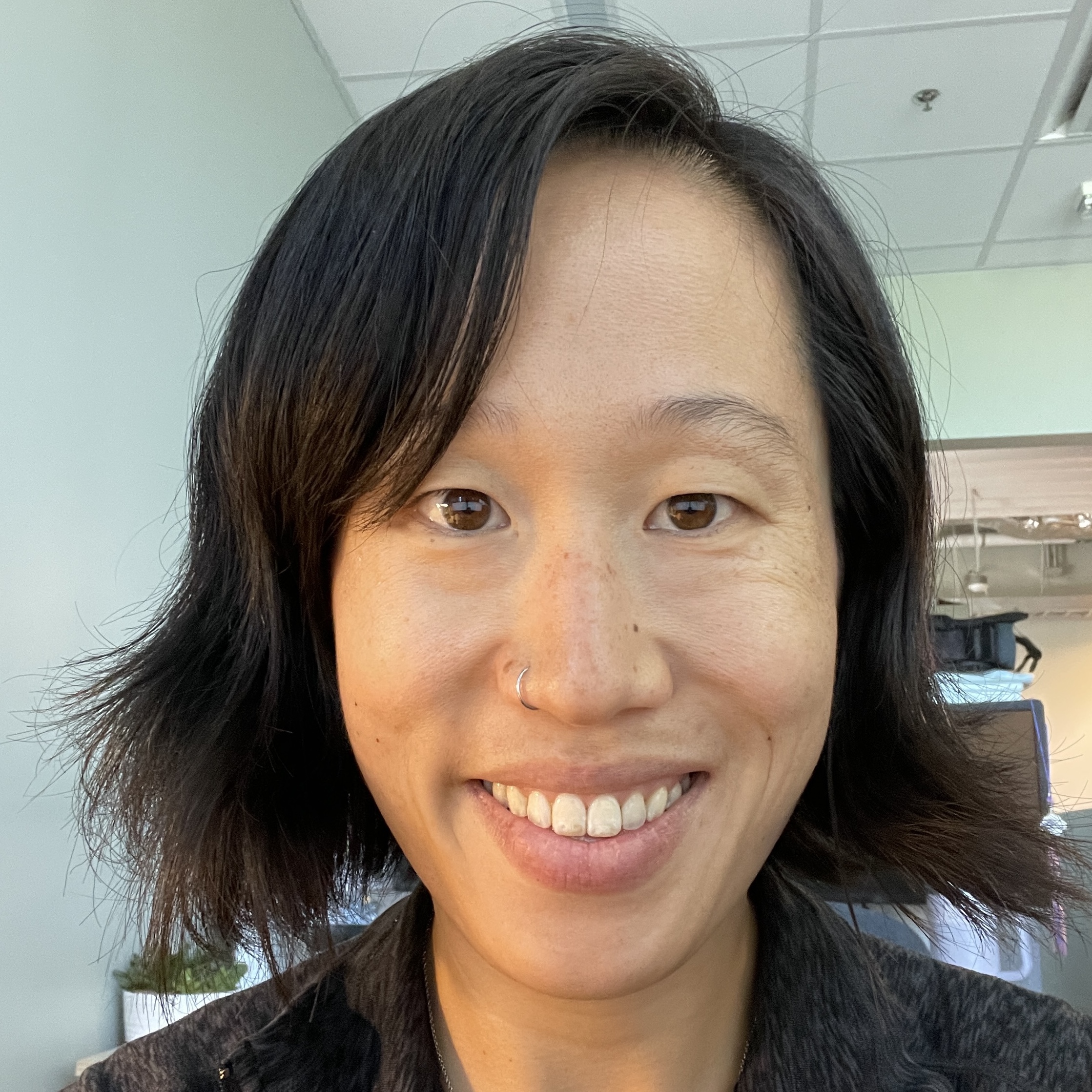
Staff are an integral part of our institution and community and do not always receive the recognition, compensation and protections they deserve, especially in times of inflation and economic instability. As staff increasingly become a larger and more vocal part of the Global Health department, we need organizing to better protect and represent staff in negotiations with department leadership and the university.

Jade Pearce (she/her)

School of Public Health
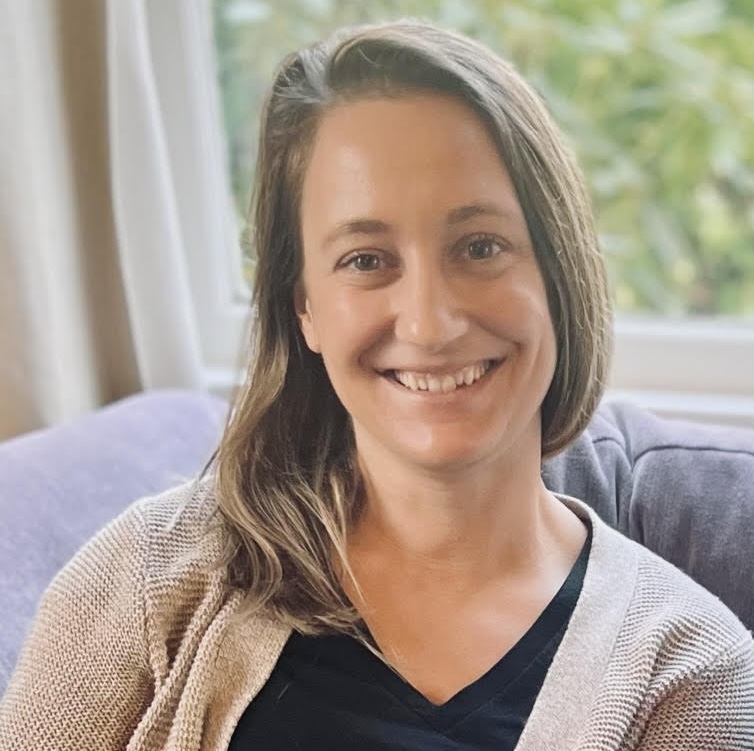
I’ve worked in academia for almost ten years now and I’ve seen first hand how powerful a union can be for university staff. From advocating for equitable pay to ensuring that individuals are protected within their jobs, these are rights that every working individual should have. Being a Research Coordinator has been an amazing opportunity for me, but I know that not everyone’s work environment is as fulfilling. Forming a union is one major step to where all Research Coordinators and Consultants at the University can advocate for themselves to create and maintain a healthier work environment. 

Lacy Cheers (she/her)

UW Autism Center
Having held both union and non-union positions at UW over the last 5 years, I have seen firsthand the transformative power of unions in enhancing job security, securing fair wages, and promoting overall well-being. I want an equitable workplace for research coordinators and consultants across the many different groups at UW and believe we can all come together to ensure this happens. Everyone deserves a safe and healthy work environment and unions make this a reality!